

Valuation Services
Machinery and Equipment Valuation
Is your equipment still a truly strong asset? We determine the value of your machinery through a physical survey, technical judgment and the value basis that fits your objective.
The starting point
Your fixed assets are the engine of your profits
Knowing the real value of your machinery and equipment changes the quality of the decisions you can make about it: when to renew, how much to insure, what to back in a transaction and what to keep in operation.
We work with asset-intensive corporate groups, where the technical detail of each piece of equipment matters as much as the final value.
Scope
Which assets we value
01
Machinery and Equipment
Production lines, specialized equipment and laboratory equipment.
02
Industrial Buildings and Civil Works
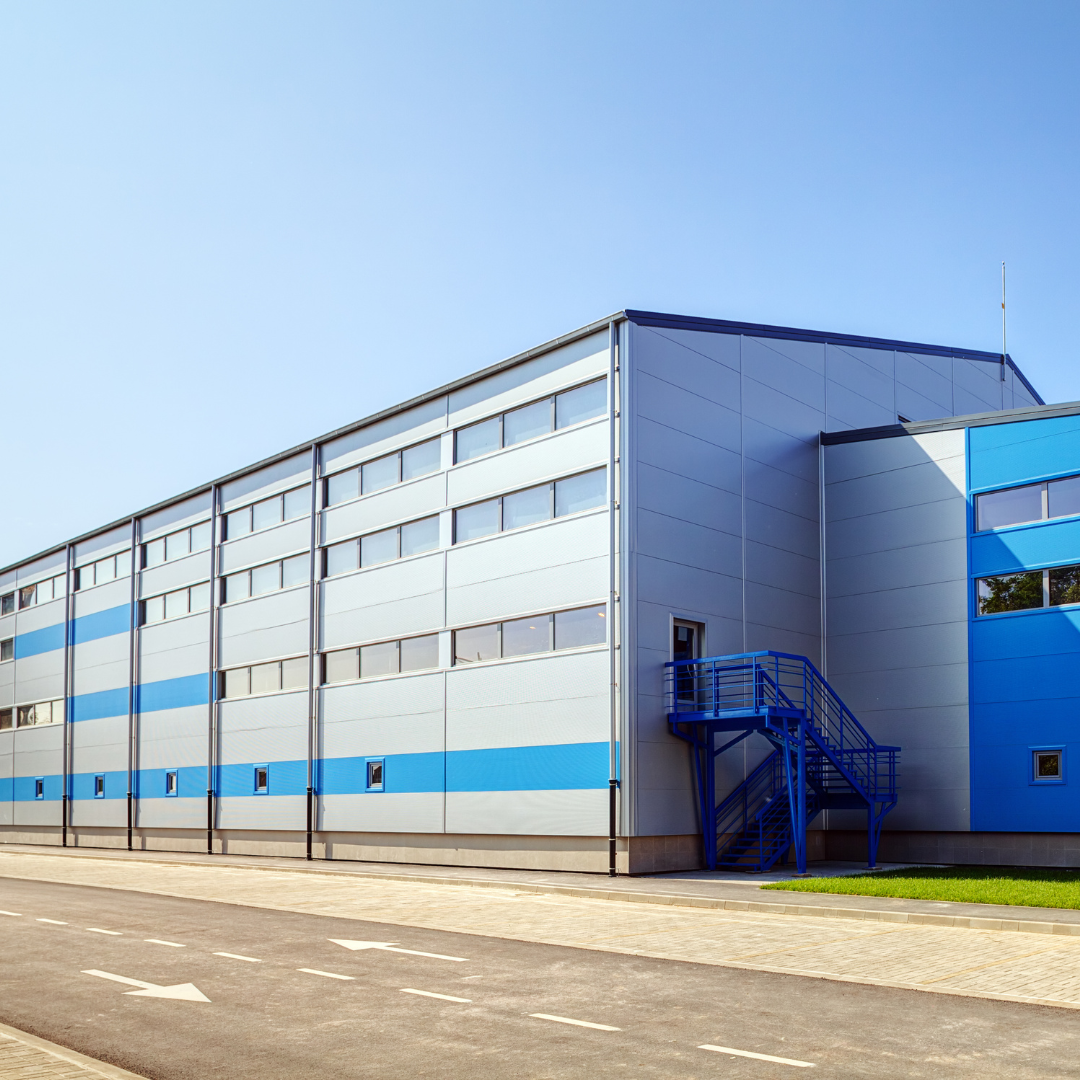
Industrial buildings, distribution centers and associated civil works.
03
Warehouses and Storage Facilities
Storage facilities and their infrastructure.
04
Transportation Equipment
Fleets and transport units that belong to the operation.
05
Computer Equipment
Technology infrastructure and processing equipment.
06
Furniture and Fixtures
Furniture and equipment for offices and operations.
Value bases
Each objective calls for a different basis
The value basis determines whether the analysis serves what you need.
Market Value
For purchase and sale transactions and collateral support.
New Replacement Value
To align insurance coverage with the real cost of replacing the asset.
Realization Values
For assets out of use, obsolete or destined for scrap.
Financial Reporting
For accounting reports and compliance with international standards.
Cost Centers
Allocation of value by area, department or operating unit.
Reconciliation
Accounting records against the equipment that physically exists at the facilities.
Asset Control and Tagging
Identification, labeling and traceability of each asset.
Inventories and Insurance
Complete survey and technical support for coverage renewals.
How we work
The process, step by step
1
Defining the objective
We understand what you need the analysis for and which value basis applies.
2
Physical survey
On-site inspection, technical identification and registration of each asset.
3
Analysis and calculation
Determination of value with verifiable technical support.
4
Delivery and session
A document that explains the criteria, and a session with your leadership team.
Frequently Asked Questions
About machinery and equipment valuation
What does a machinery and equipment valuation include?
How long does a machinery and equipment valuation take?
What is the difference between market value and new replacement value?
What is fixed asset reconciliation?
What documentation is needed to value machinery and equipment?
What happens if the machinery is spread across several plants?
What is the difference between accounting and tax criteria for depreciating machinery?
What tax depreciation rate applies to industrial machinery?
How is the new replacement value of a machine calculated?
Need to know the real value of your machinery?
Tell us about your assets and we will determine the value basis that applies.
Contact Us