
Valuation Services

Vessel Valuation

The real value of your vessel makes the difference. We apply ultrasonic non-destructive testing to determine its condition and remaining useful life.
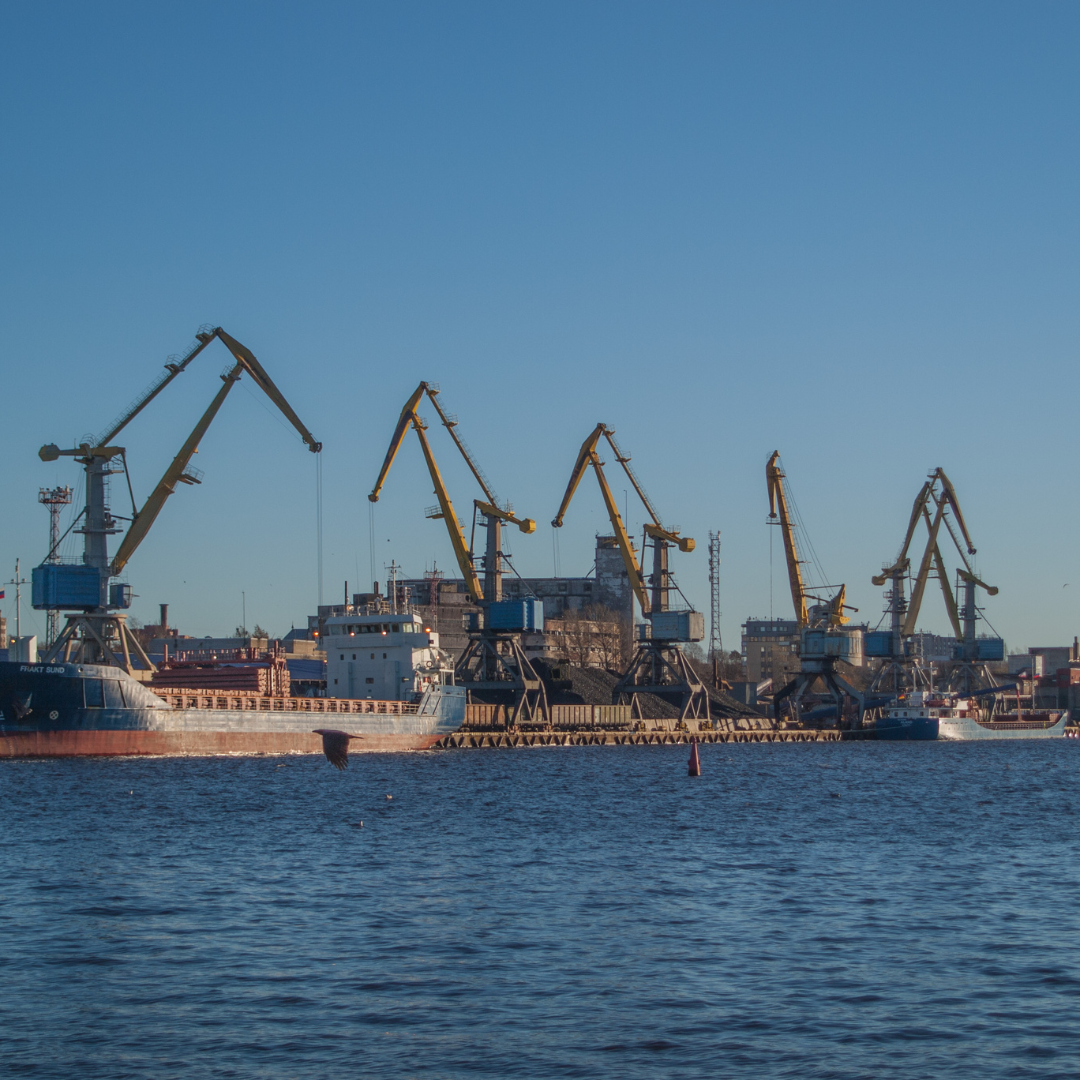
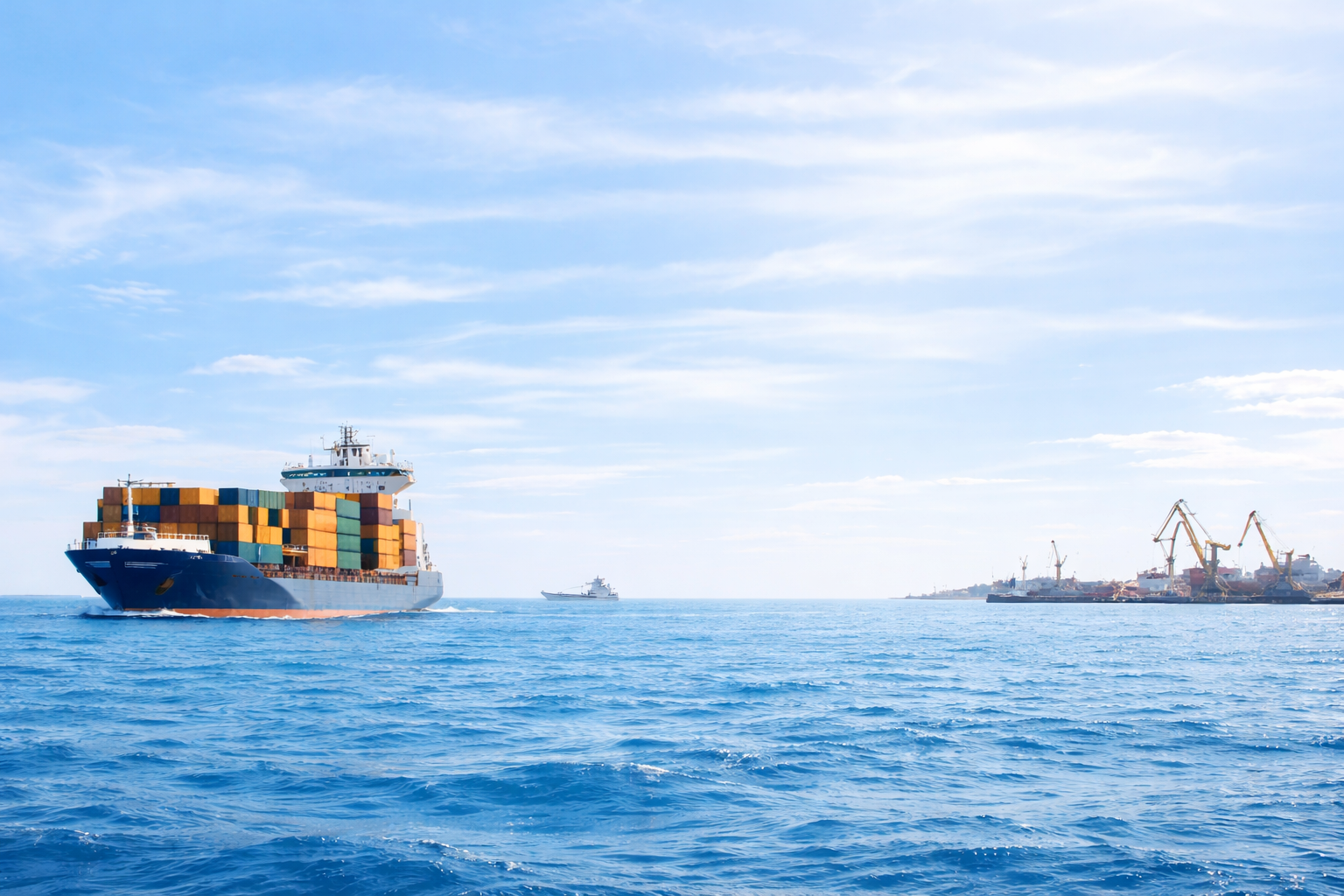
Commercial vessel in port

The starting point

Keep your investment on course

The real value of your vessel makes the difference when a purchase or sale, an insurance renewal or asset backing is under way.

We use ultrasonic equipment for non-destructive testing (NDT) that determines the condition and remaining useful life of the vessel.

Required information

Value is determined by

01

Berthing port

Where the vessel is located.

02

Dimensions

Length in meters and structural characteristics.

03

Registration number

Official identification of the vessel.

04

Make and model

Manufacturer, model line and year of construction.

Scope

We provide analysis for

YachtsRecreational boatsFerries Cargo shipsContainer shipsSeagoing ships TugboatsBarges

We carry out inspections of

ShipyardsDry docksPiers MarinasBeachesCliffs IslandsLand reclaimed from the sea

Objectives

The purpose of the analysis

01

Purchase, sale and salvage

A well-founded position in the transaction.

02

Insurance

Coverage aligned with the real value of the vessel.

03

Mortgage collateral

Documented asset backing.

Frequently asked questions

About vessel valuation

What information is needed to value a vessel?
We need the port where it is berthed, its length in meters, the registration number, and the make and model of the vessel. These details are the starting point of the technical analysis.
How is the remaining useful life of a vessel determined?
Arias y Asociados uses ultrasonic equipment for non-destructive testing (NDT), which makes it possible to assess the condition of the hull and structures without damaging the vessel, and to determine its remaining useful life with technical support.
What types of vessels do you value?
Yachts, recreational boats, ferries, cargo ships, container ships, seagoing ships, tugboats and barges. The technical approach varies with the commercial or recreational use of the vessel.
Are port facilities also valued?
Yes. We carry out inspections and valuations of shipyards, dry docks, piers, marinas, beaches, cliffs, islands and land reclaimed from the sea, both for operations and for asset backing.
What documentation is needed to value a vessel?
Registration certificate, maintenance log and technical specifications of the hull and engine. For commercial vessels, the operating history is also considered.
What is the difference between valuing a recreational vessel and a commercial one?
A recreational vessel is valued mainly by market and physical condition. A commercial vessel also incorporates its productive capacity: routes, cargo and the income it generates in operation.
How often should the value of a vessel be updated?
It should be updated at each insurance policy renewal and before any purchase, sale or financing transaction, given the constant wear on this type of asset.
What tax depreciation rate applies to a vessel?
Vessels are depreciated for tax purposes at 6% per year, equivalent to a tax life of approximately 17 years, under Mexico's Income Tax Law (Ley del Impuesto Sobre la Renta). The actual commercial value usually differs from that tax criterion because of the physical condition and operating wear of the hull and engine.

Do you need to determine the value of a vessel?

Tell us the details of the vessel and we will define the scope of the inspection.

Contact Us